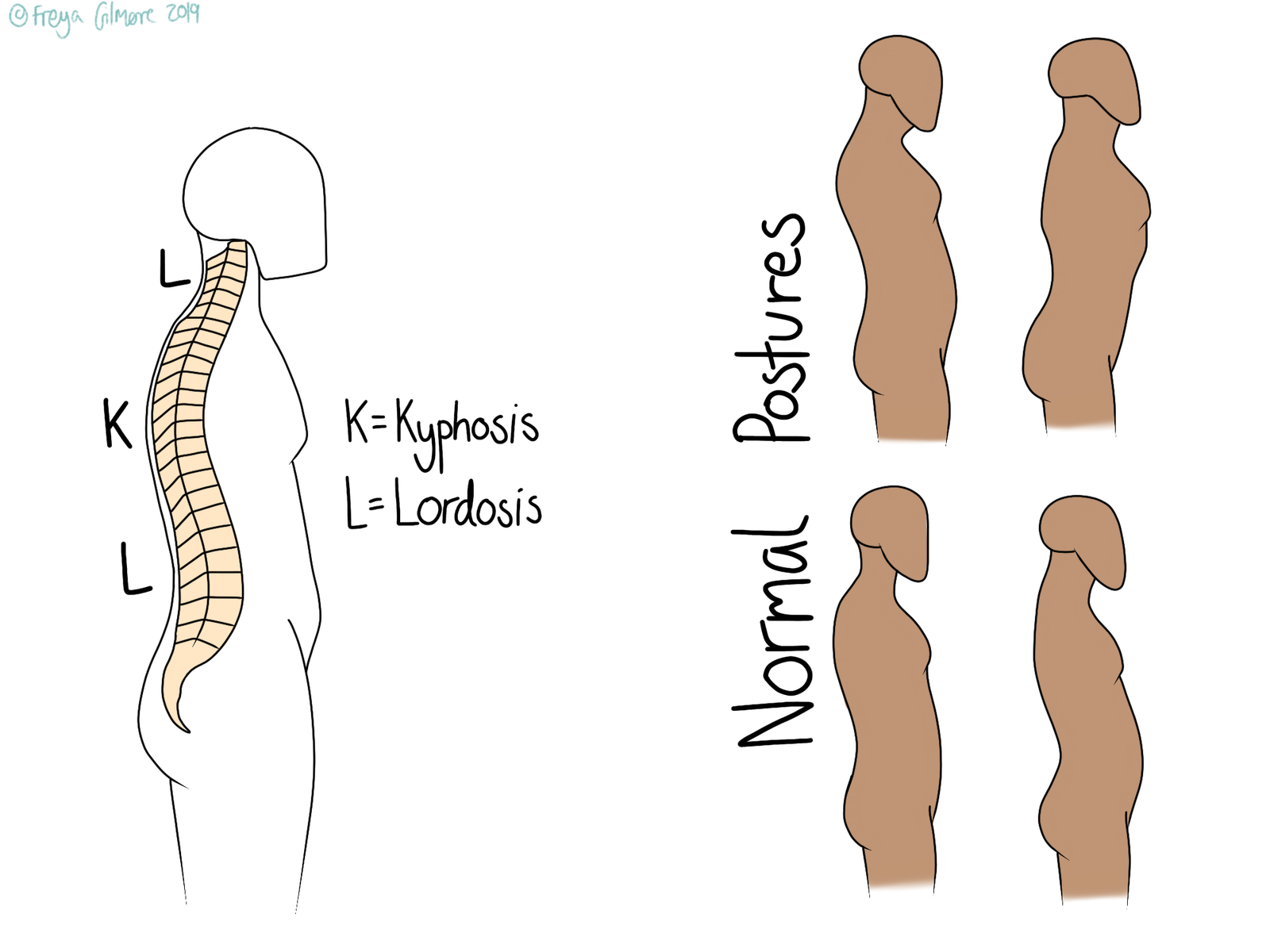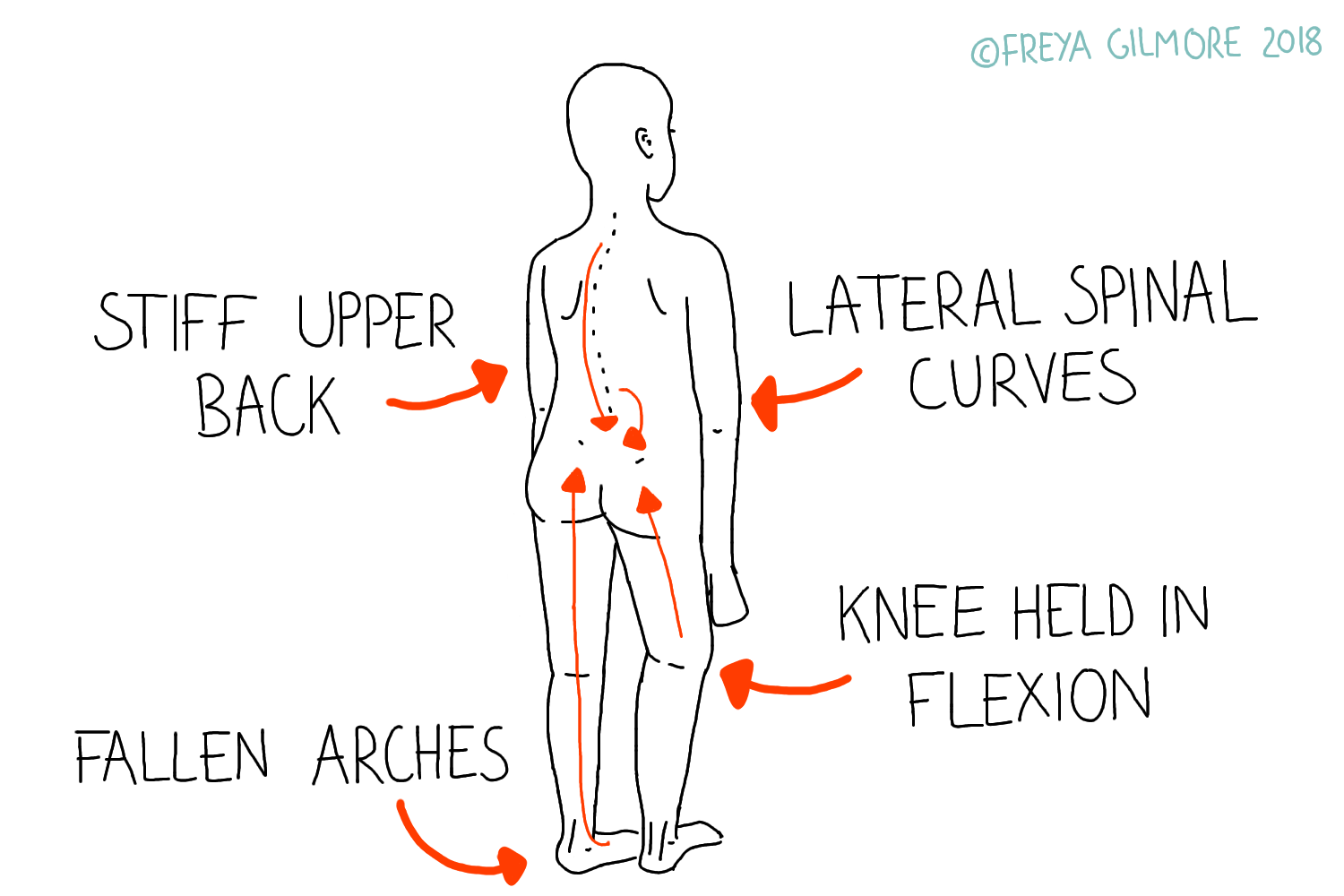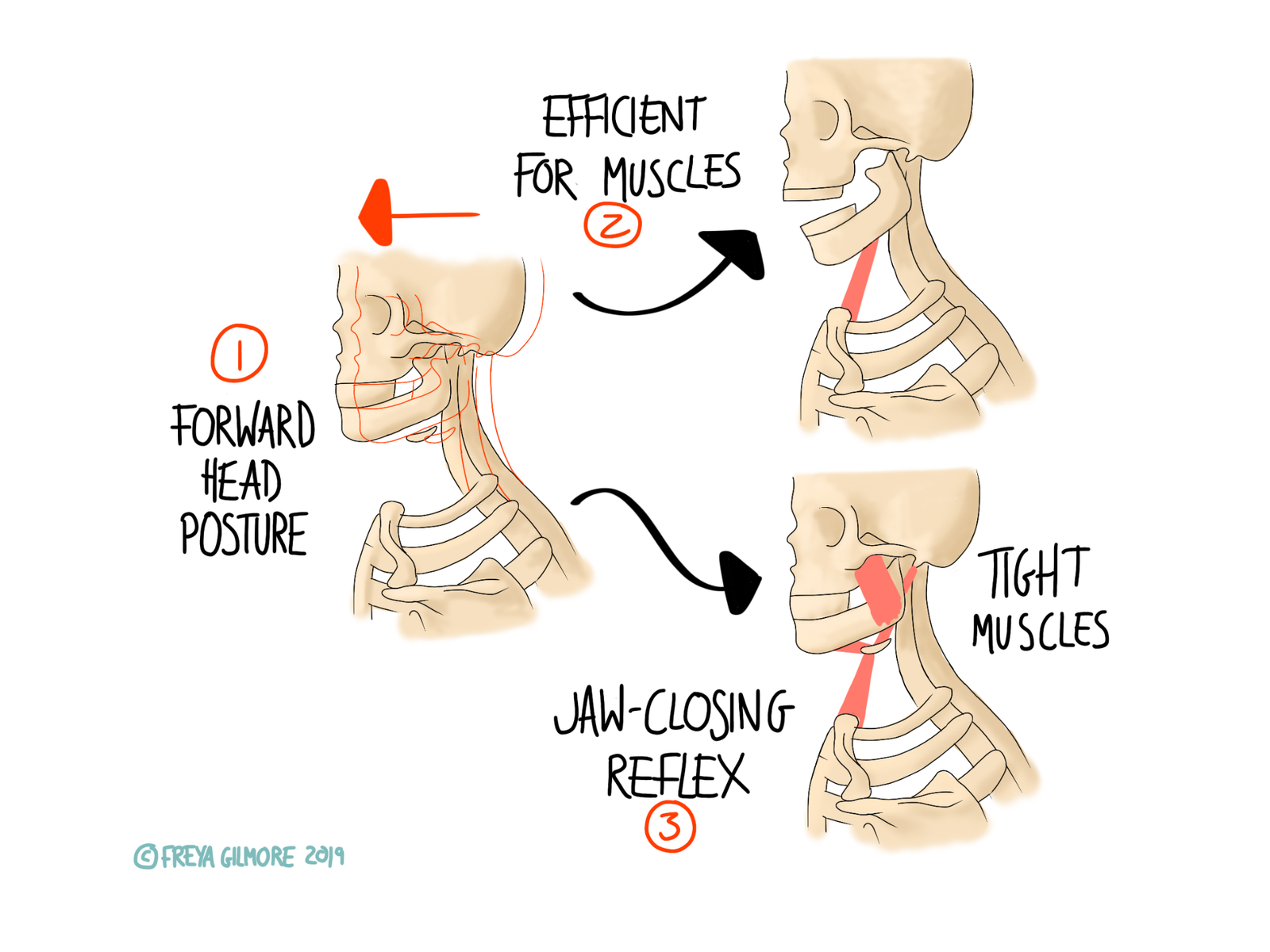
Posture can be a bit of a contentious subject. It's easy to make the assumption…
The IT Band
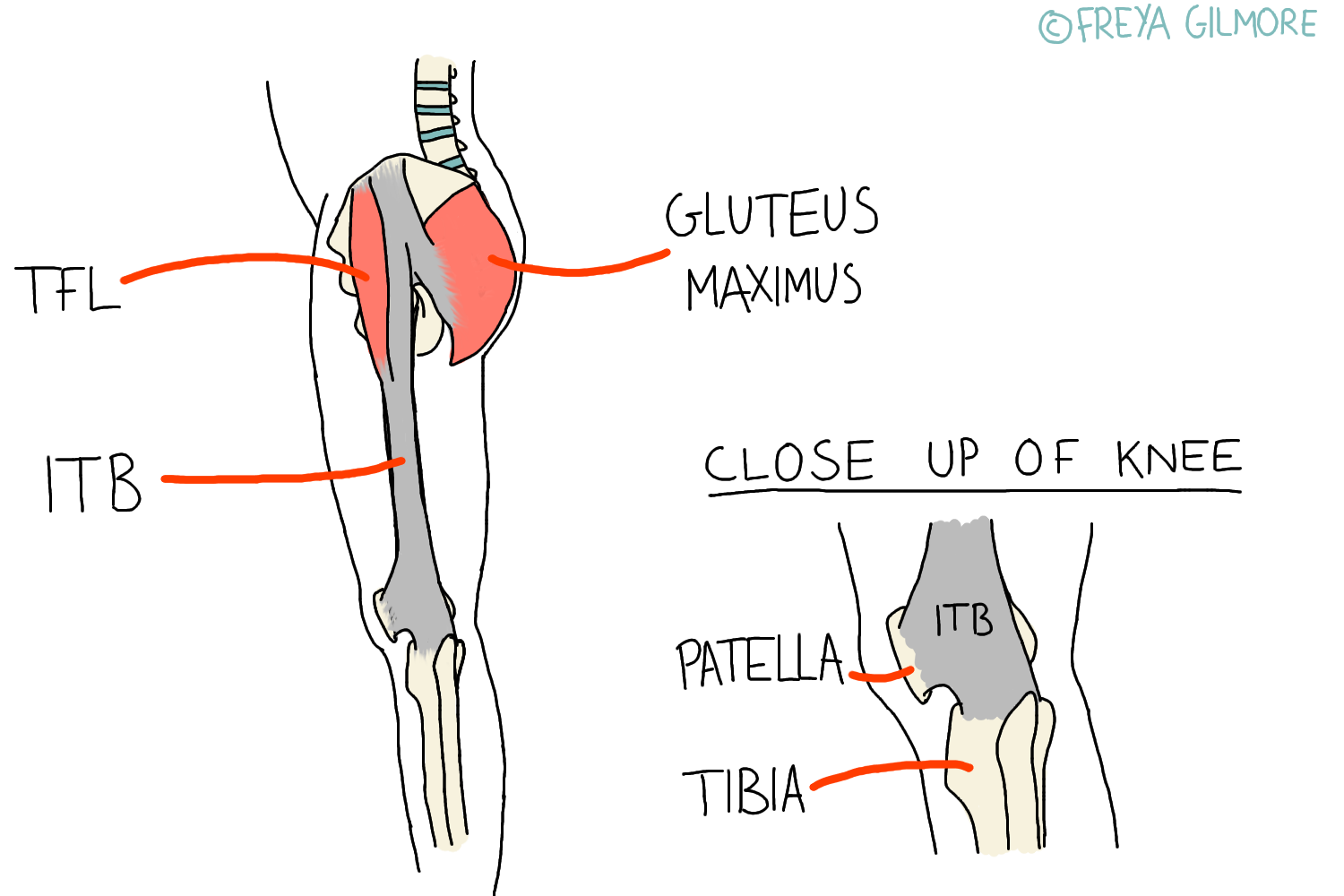
The IT band is a band of tissue that runs down the side of the thigh. Some people will treat it like a muscle, but it is more like a tendon. As such, it can’t contract itself, but its tension is dictated by a small muscle that blends to its top end: the TFL.
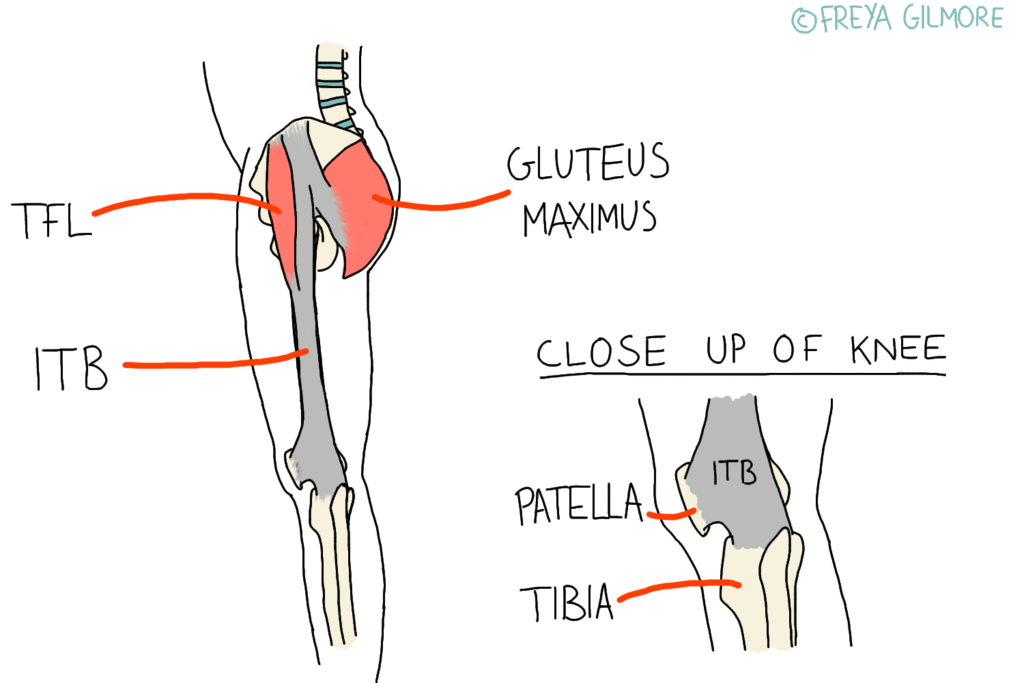
The role of the IT band
One of the IT band’s primary roles is to stabilise the knee. It blends into the patella, tibia, and femur, meaning that when it’s on tension, it can impact the whole knee complex. When people struggle with discomfort in the IT band they might not consider why there would be tension there in the first place. If, for example, you are a runner and you have a sore ITB, consider for a moment whether there might be something going on with your knee. It’s possible that the tension follows a mild sprain within the knee joint, and the tension is just the body’s way of trying to keep itself safe. Managing that underlying injury would be the first step in getting back on track.
Taking a foam roller to the band is not particularly helpful for either the local area or the knee itself. You might feel some temporary relief but research shows that the ITB is just not very responsive to direct treatments.
TFL
The TFL is a small muscle that sits around the hip area. Its job is to control tension in the ITB. TFL sits next to the glutes: a muscle group that we know can get tight in response to prolonged sitting, changes in exercise, and general muscular imbalances. Research results are mixed, but it would stand to reason that if the ITB has little response to rolling and stretching, maybe TFL would be, and the effect would be felt further down the thigh.
Again, working to reduce tension in either the muscle or band would have limited longevity if they’re tight in response to an underlying issue, so be sure to address any grumbling aches and pains, worn out running shoes, or other factors first.
Managing a tight IT band
At your first osteopathic appointment, your osteopath will begin with a case history. They will ask about your pain, but also any other lifestyle factors that might have played a role. “What do you do for exercise? What do you do day-to-day, and was there anything that changed around the time that your symptoms started?” As mentioned above, ITB problems will often relate back to the knee, so thorough questioning and examination concerning the knee might provide the answer. Given the relationship with TFL, it may be worth examining the hip and lower back too, in case they are the cause of any tension.
If your pain is exercise related, it might be harder to identify than a more acute joint injury. Have you changed your running shoes recently, or have your favourites begun to wear out? If your body is having to adapt to more arch support, or a change in sole thickness, this might not be absorbed in the foot and ankle. Instead it might be putting pressure on the knee, or hip, or lower back. Similarly, if you’ve recently increased your exercise, whether that’s running longer distances or running more frequently, this could have a mechanical impact as well. You can work these variables out with your osteopath before we form a plan to keep you exercising while also moving forwards.
Click here to make an appointment in Camberley for your knee pain for your IT band
Related Posts