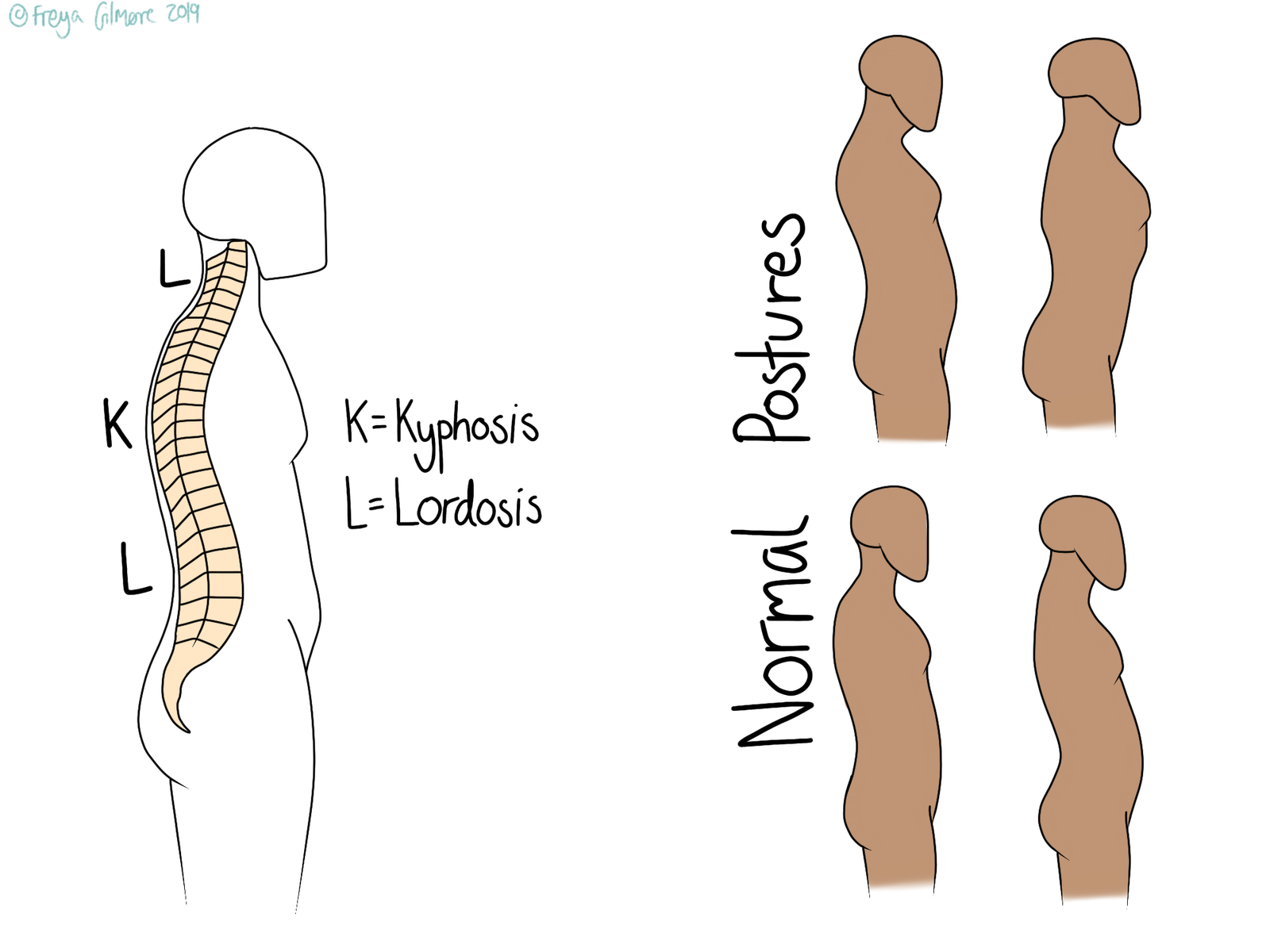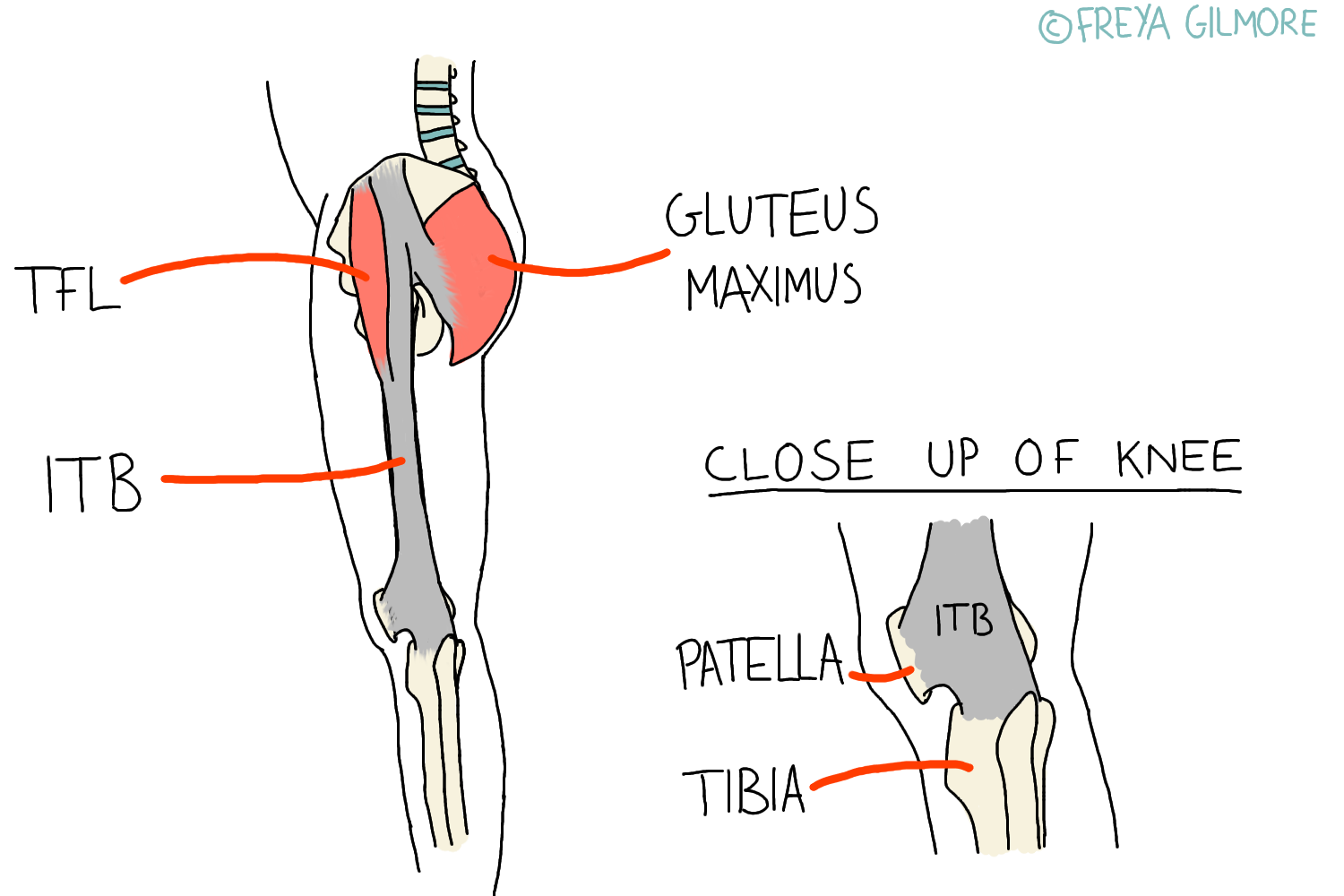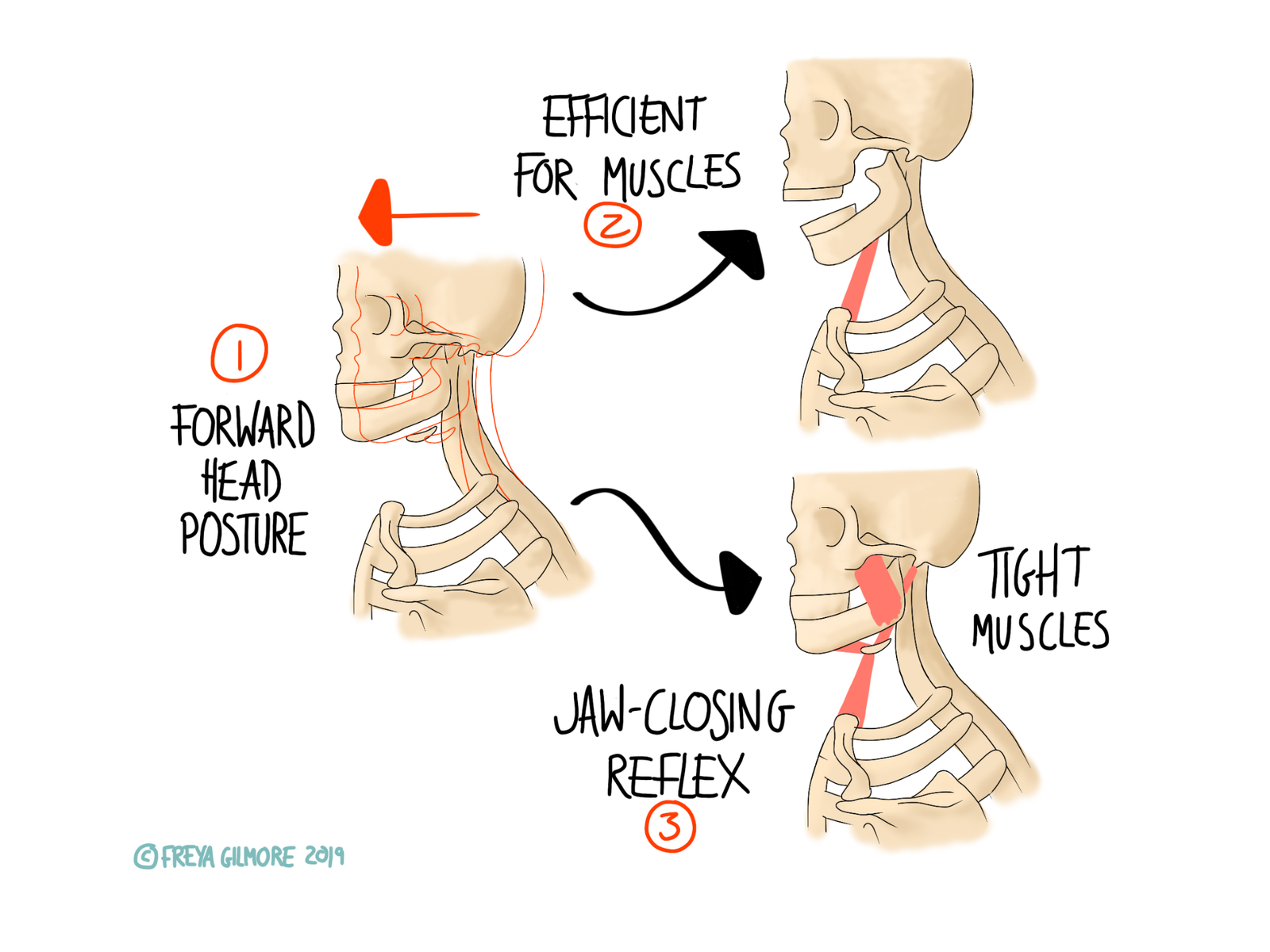
Posture can be a bit of a contentious subject. It's easy to make the assumption…
The Mechanical Picture
Osteopaths understand that everything in the body is connected. This even goes beyond muscles, joints, and soft tissues, to encompass your mental health, diet and more.
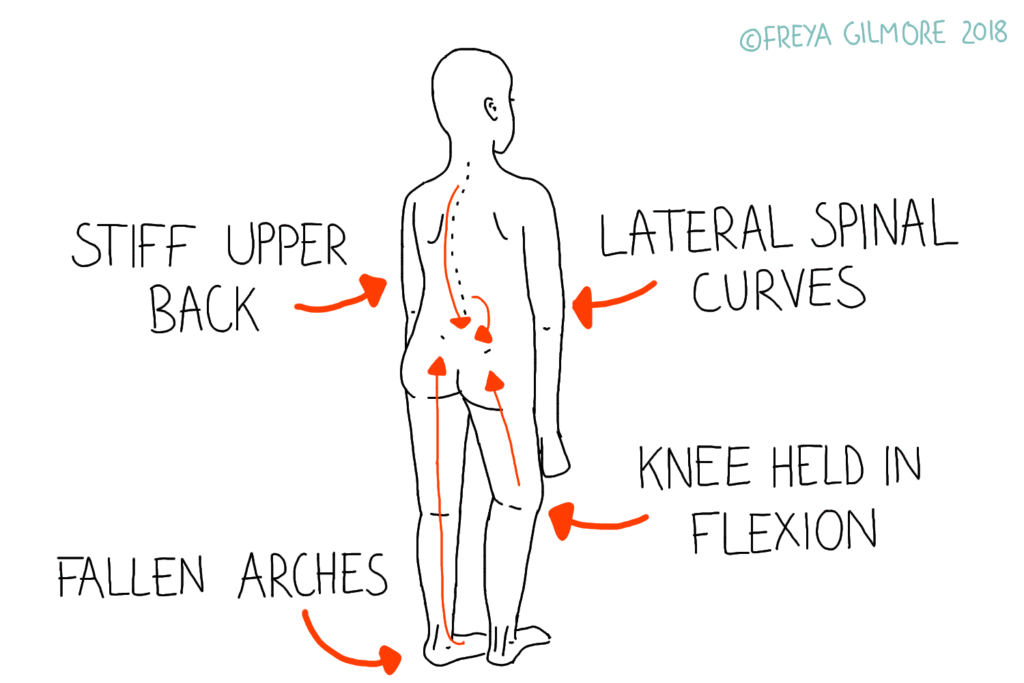
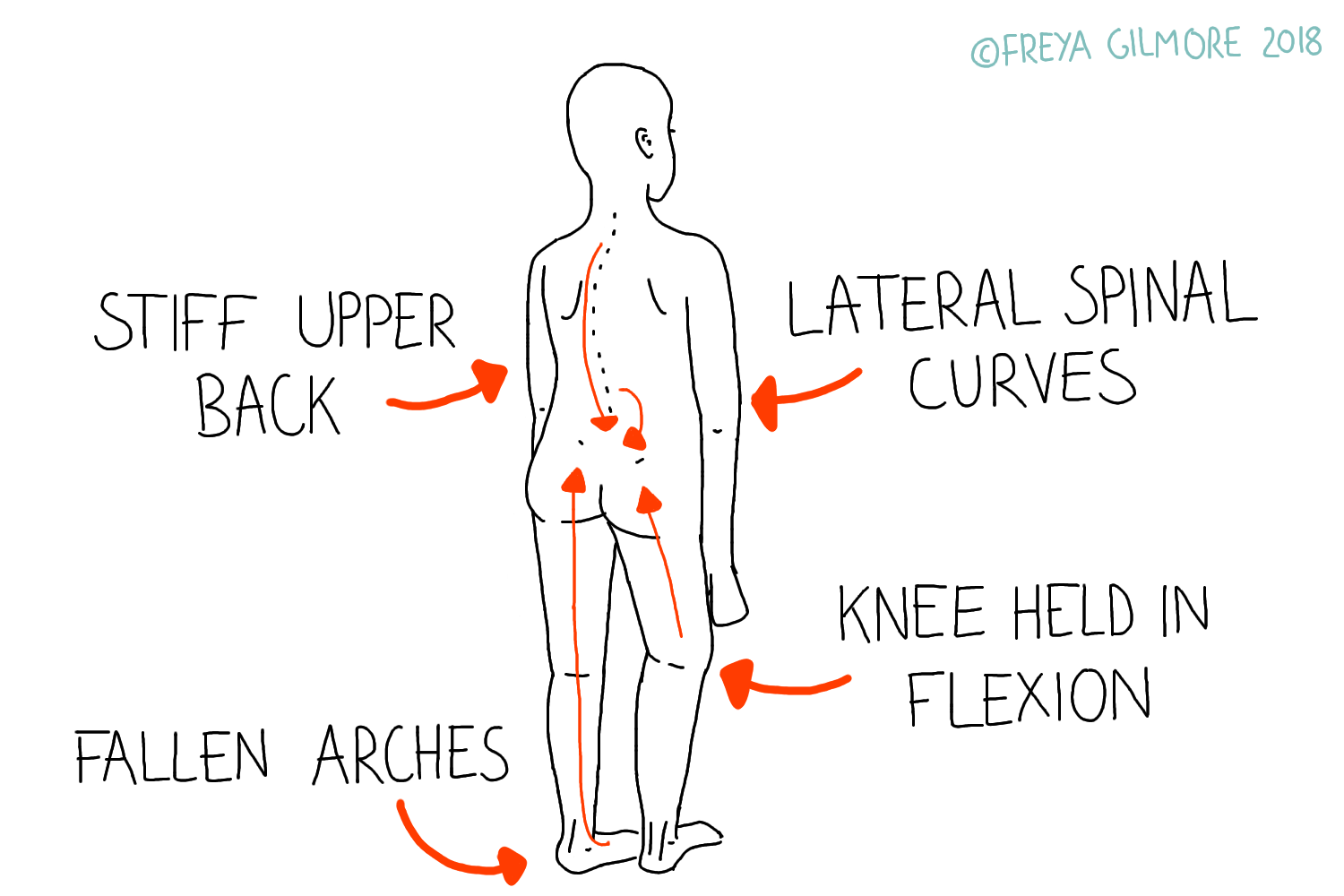
Sometimes what seems like a simple case is actually a lot more interconnected with other symptoms you’re experiencing. For example, maybe you sprained an ankle years ago and it never fully recovered. It’s never too late to start rehabilitating, but you may find at your first appointment that the ankle also holds the answer for the intermittent lower back pain you’ve had for a while. Or maybe it’s related to the twinge in your knee, or the ache in your upper back pain and neck!
If you’ve accommodated a weaker ankle, you’ve likely enlisted the joints and tissues from the foot all the way to the back to make it work. This adds strain to those compensating tissues, and can make them more prone to their own aches and pains. Alternatively, it may have strengthened one side and caused an imbalance that overloads the other side of the body. The image above gives and idea of how some of these patterns can develop.
Compensatory patterns
An osteopath will notice recurrent patterns between patients. For example people who are stuck at a desk all day often have some of the following:
- rounded shoulders
- tight pecs
- weak upper back muscles
- a forward head posture.
This is all consistent with upper cross syndrome which you can read more about here. Every patient has a tailored management plan, but there is often a lot of overlap between similar cases. One benefit of this is that we can look out for things that tend to come up more often.
Using the desk posture as an example, the imbalance between muscles strength in the chest and upper back is common to most people who could benefit from improved ergonomics. What is less common, but still significant, is the potential for headaches and migraines. These might come from the pattern of tension in the neck, and for some people it may be best managed by something as simple as raising a computer screen. We can offer advice here, as raising the screen is easier said than done if you’re using a laptop! Make sure you keep your keyboard and mouse within reach- you may need some extra hardware to make your desk setup work for you.
Systemic Issues
If you suffer from any kind of abdominal symptoms that cause you to bend forwards into a semi-foetal position, this could start to impact your muscle and joint pain. Conditions like IBS and endometriosis can therefore have a mechanical impact, leading to things like back pain or issues with the diaphragm. Some conditions have clearer links to the musculoskeletal system: Ehlers Danlos Syndrome is a clear example of one cross-systemic condition. The cardiovascular system is often affected, but the changes to skin and joint elasticity are other key features of the condition, and will influence your osteopath’s management plan for your symptoms. If you’re looking for a therapist who sees you as a whole person, not just a symptom, osteopathy may be for you.
Click here to make an appointment for your aches and pains in Camberley
Related Posts