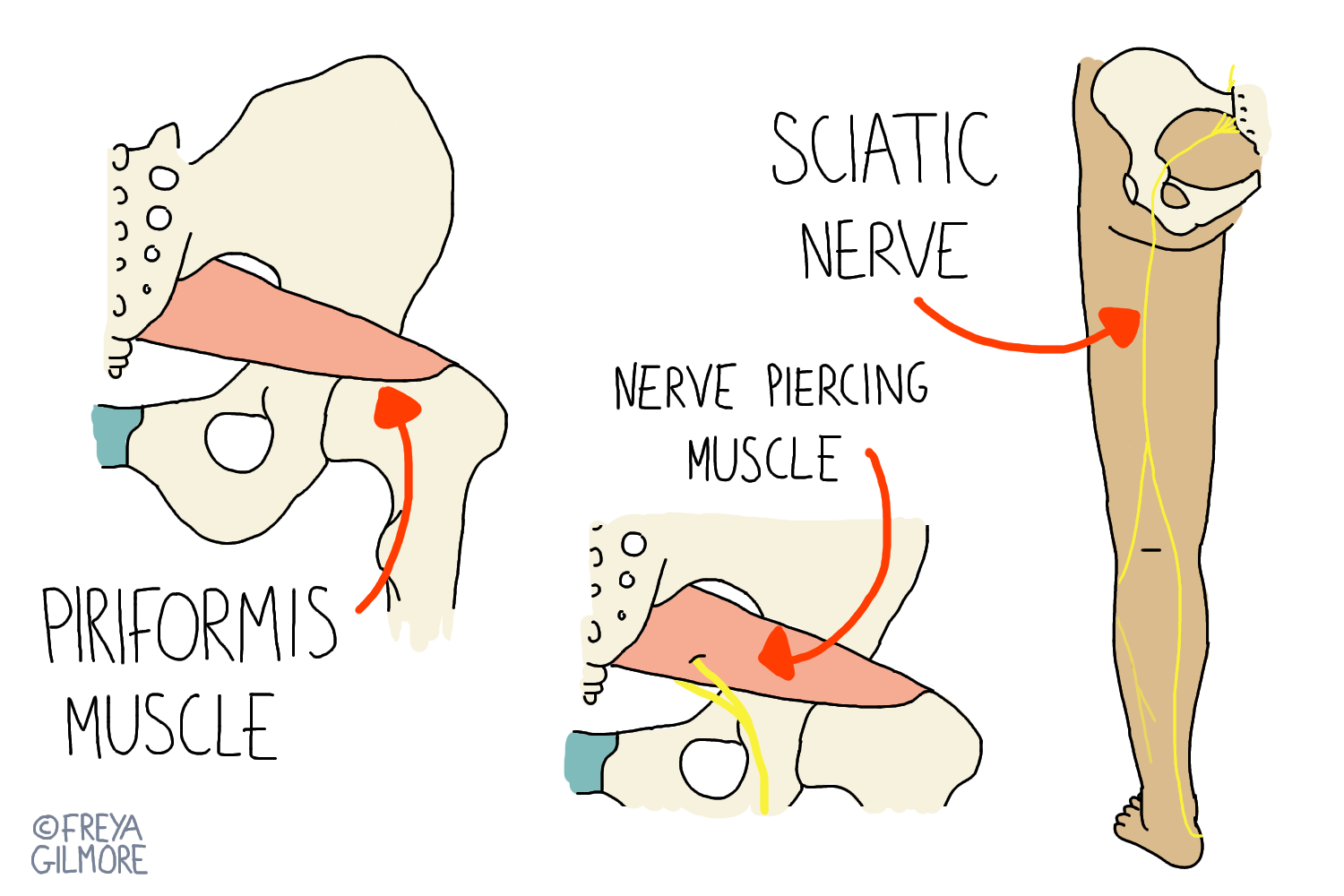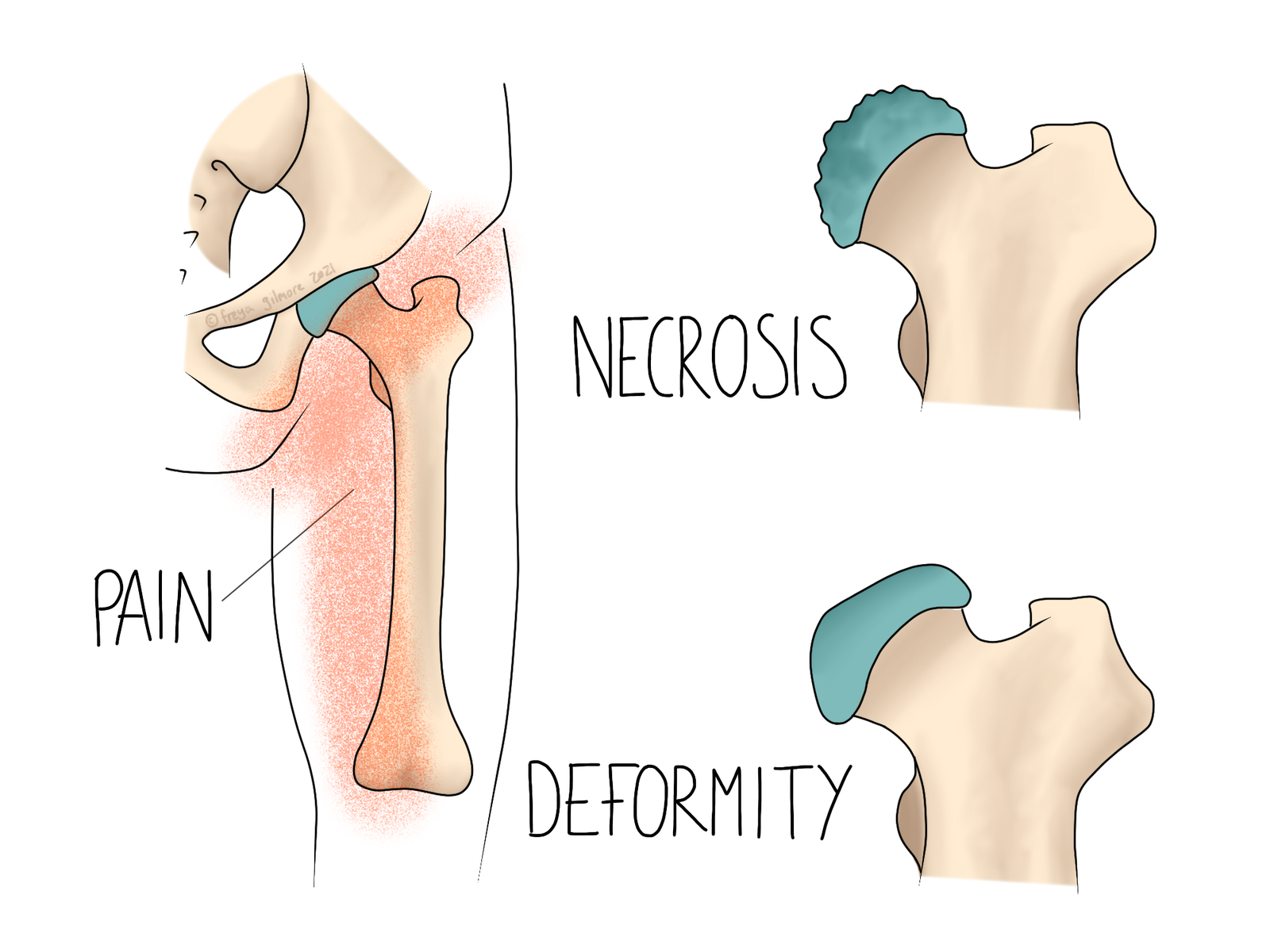
Piriformis syndrome is a common cause of deep buttock pain and can sometimes produce symptoms…
Ergonomics
Ergonomics are a factor in most musculoskeletal aches and pains. But it can be hard to know where to start with correcting your posture.
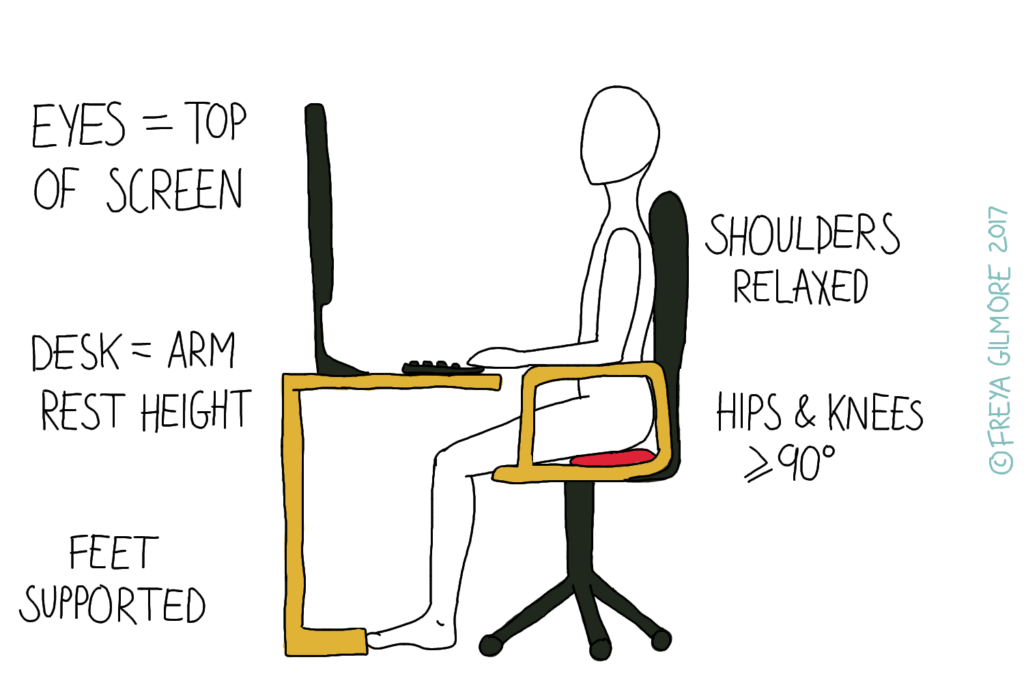
Desk ergonomics
For any ailments that encompass tension in the neck, upper back, shoulders, or chest, the posture you sit in throughout the working day is relevant. If your work is desk based, we need to know how you sit, and if there is a variation through the week. For example, if you work from home some days and on site on other days. Many companies that require you to be in office will provide some ergonomic support as standard, but this is rarely offered when you work from home. You might find it more comfortable to spend some time working, at your desk and some time working on the sofa, at a kitchen worktop, in bed; and that is not inherently bad. If that resonates with you and you are not suffering, then it’s probably not a bad idea to continue doing so. However, if you feel soreness at the end of the working day or in any of those particular postures, it might be worth addressing.
General Guidelines
As a very general rule:
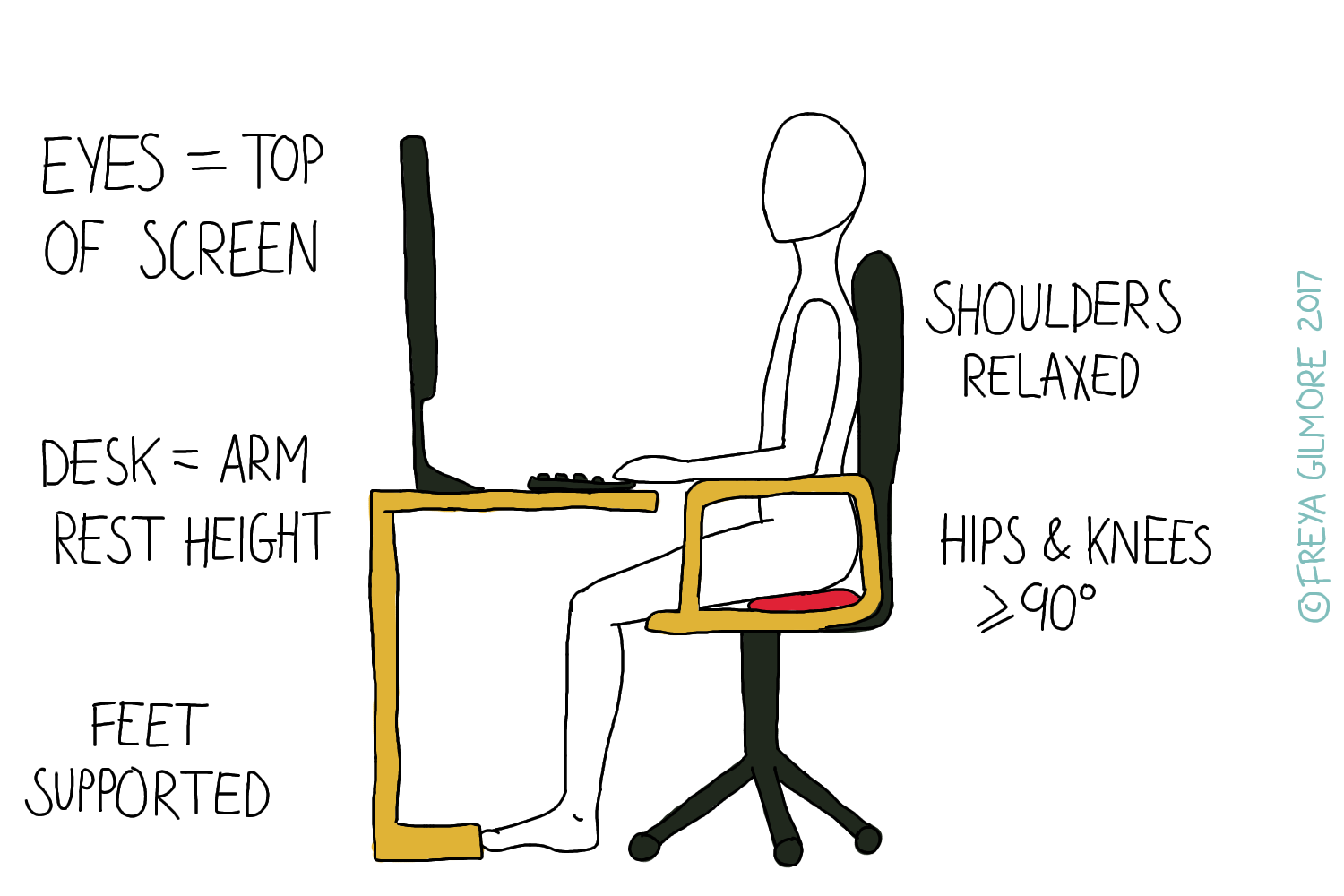
- keep your top of your screen level with your eyes
- sit with your chair high enough that your shoulders can be relaxed, and with your elbows at right angles, your forearms should rest on the work surface
- your wrists should be relaxed and not held in extension while using the keyboard or mouse
- ideally your hips will also be at a slightly obtuse angle
- and your feet should rest on the floor or a foot rest
Stuff to Buy
Trying to make all of these points work simultaneously might mean changing some of your hardware and furniture, so it’s up to you how much change is worth it. If you work on a laptop, you’re probably going to struggle to keep the screen and keyboard at the right heights. It might suit you better to raise your laptop and use an external keyboard and mouse, or attach a screen above and behind your laptop.
We’re often asked about recommending ergonomic chairs. Because of the personalised outcome of the guidelines mentioned above, there is no one perfect chair. The best chance of achieving a good ergonomic setup comes from a chair that can adapt to fit you. As a bare minimum, we want a chair that can:
- raise and lower as a whole
- has half length armrests ( so you can still tuck in to the desk)
- the armrests can raise and lower
Although chairs with a headrest might look more supportive, you might find that actually you don’t want anything that sits higher than your shoulders. Particularly if you wear your hair in a bun, or use a hair claw, the headrest might just push your head too far forwards.
If you think your symptoms relate back to your ergonomics, mention this to your osteopath who can offer advice and support on better positioning.
Related Posts