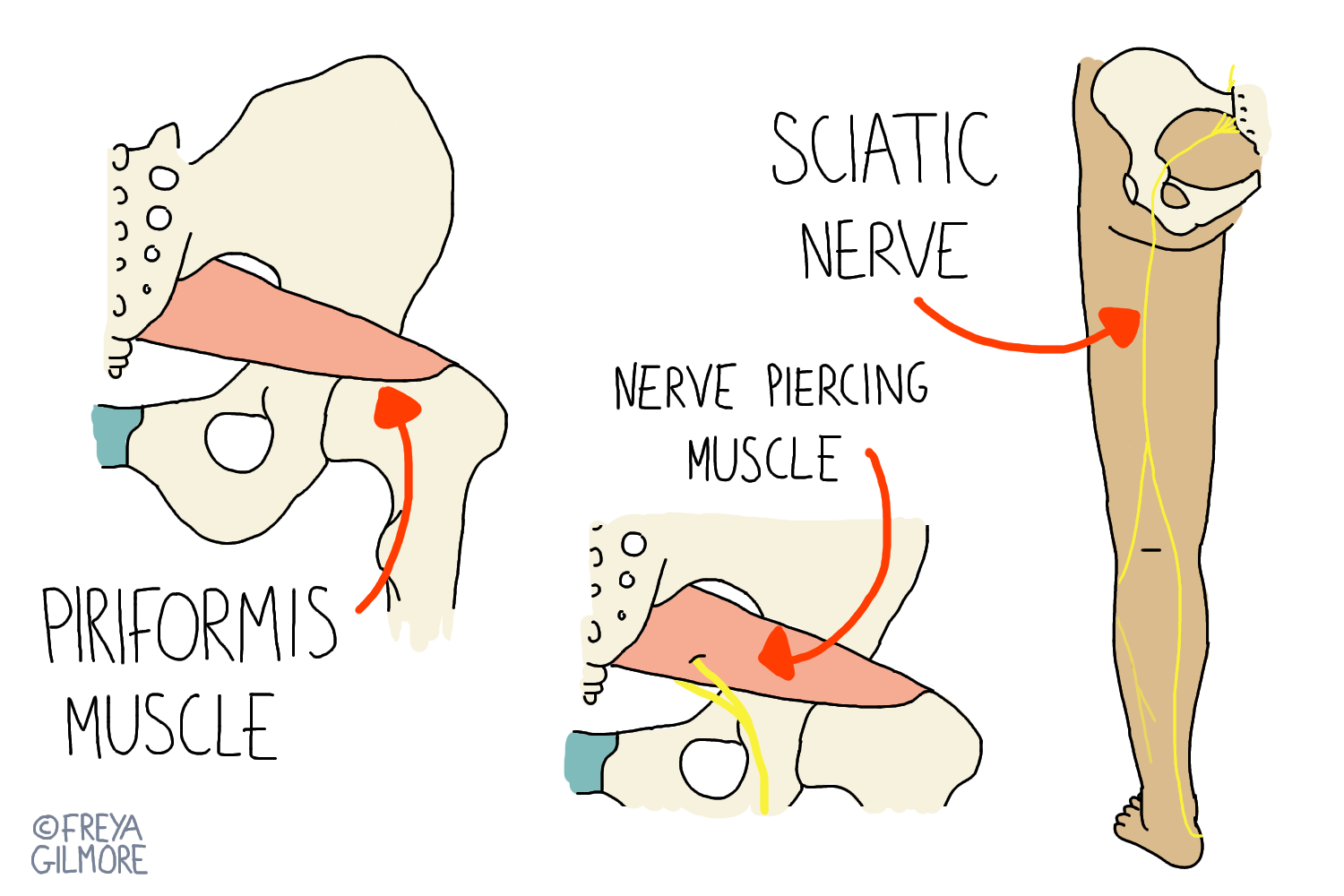
Piriformis syndrome is a common cause of deep buttock pain and can sometimes produce symptoms…
Football Injuries
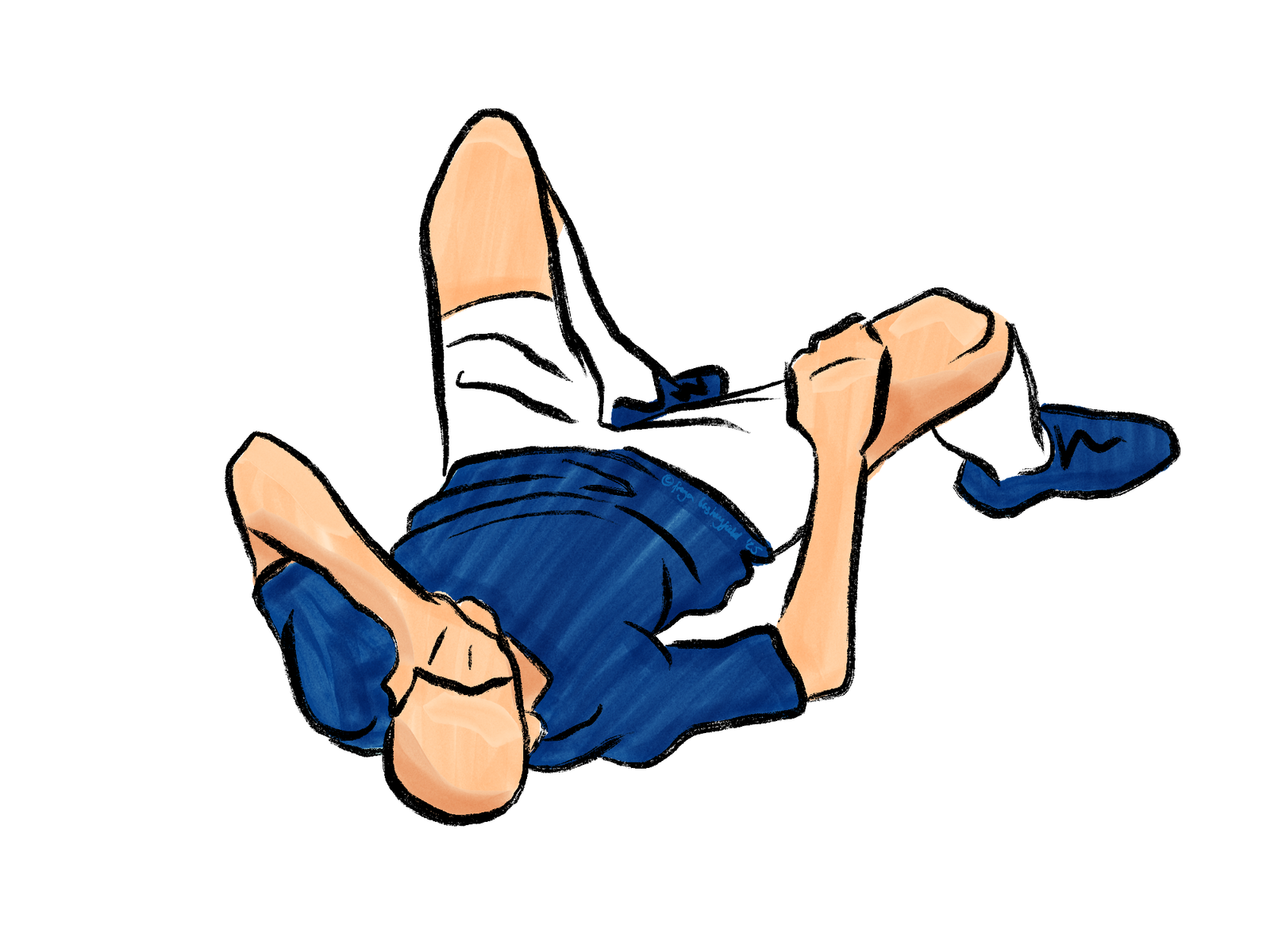
Football places huge demands on the body. Sprinting, twisting, tackling, jumping, and sudden changes of direction all create high forces through the muscles and joints. While this makes football excellent for fitness, it also means injuries are common at every level of the game — from Sunday 5-a-side players to professionals.
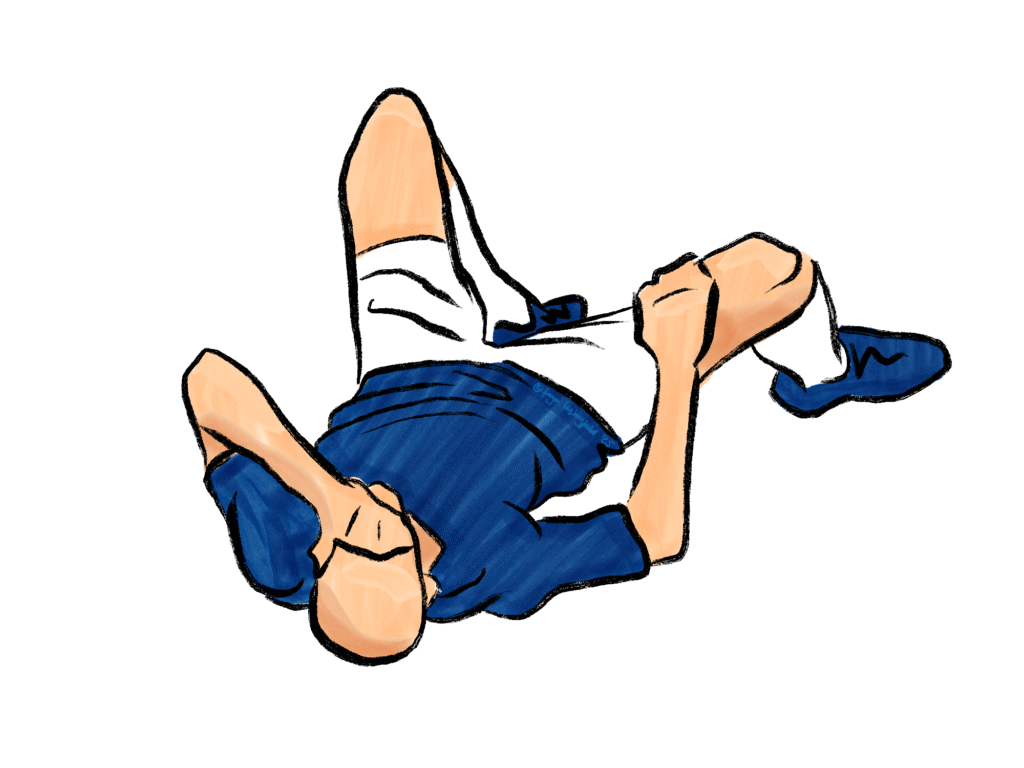
Ravi commonly sees footballers with injuries ranging from mild muscle strains through to more persistent joint problems. Some happen suddenly during a match, while others build gradually over time through repeated loading and insufficient recovery.
Muscle Strains
Muscle injuries are among the most common football-related problems. The hamstrings, groin muscles, calves, and quadriceps are particularly vulnerable because they absorb large forces during sprinting and kicking. A strain usually occurs when a muscle is rapidly stretched while contracting. Players often describe a sudden sharp pain or pulling sensation, sometimes forcing them to stop immediately.
Hamstring strains are especially common during acceleration or high-speed running. Calf injuries, sometimes referred to as “Tennis Leg”, often occur during explosive pushing off or sudden direction changes. Previous injury is one of the biggest risk factors for future strains. Returning to play too quickly before strength and control are fully restored increases recurrence risk significantly.
Ligament Sprains
Football also places significant rotational stress through the joints, making ligament sprains common. Ankle sprains frequently happen when landing awkwardly or tackling. Knee ligaments can also be injured during twisting movements or collisions. The medial collateral ligament (MCL) and anterior cruciate ligament (ACL) are familiar diagnoses among footballers.
Mild sprains may settle relatively quickly, but more significant injuries can lead to instability, swelling, and long-term mechanical changes if not rehabilitated properly, with treatment commencing within the first month post-injury. That said, it’s never too late to improve an old sprain.
Meniscus and Cartilage Injuries
Twisting on a planted foot can also irritate or tear the meniscus — the cartilage within the knee joint. Meniscus injuries may cause:
- joint line pain
- swelling
- clicking or catching
- difficulty squatting or managing stairs
- locking sensations
Repeated impact and rotational loading can also irritate joint cartilage over time, particularly if previous injuries have altered movement patterns.
Groin and Hip Problems
Groin pain is particularly common in footballers because kicking repeatedly places large forces through the hip flexors and adductor muscles. Reduced hip mobility or weakness around the pelvis can increase strain further.
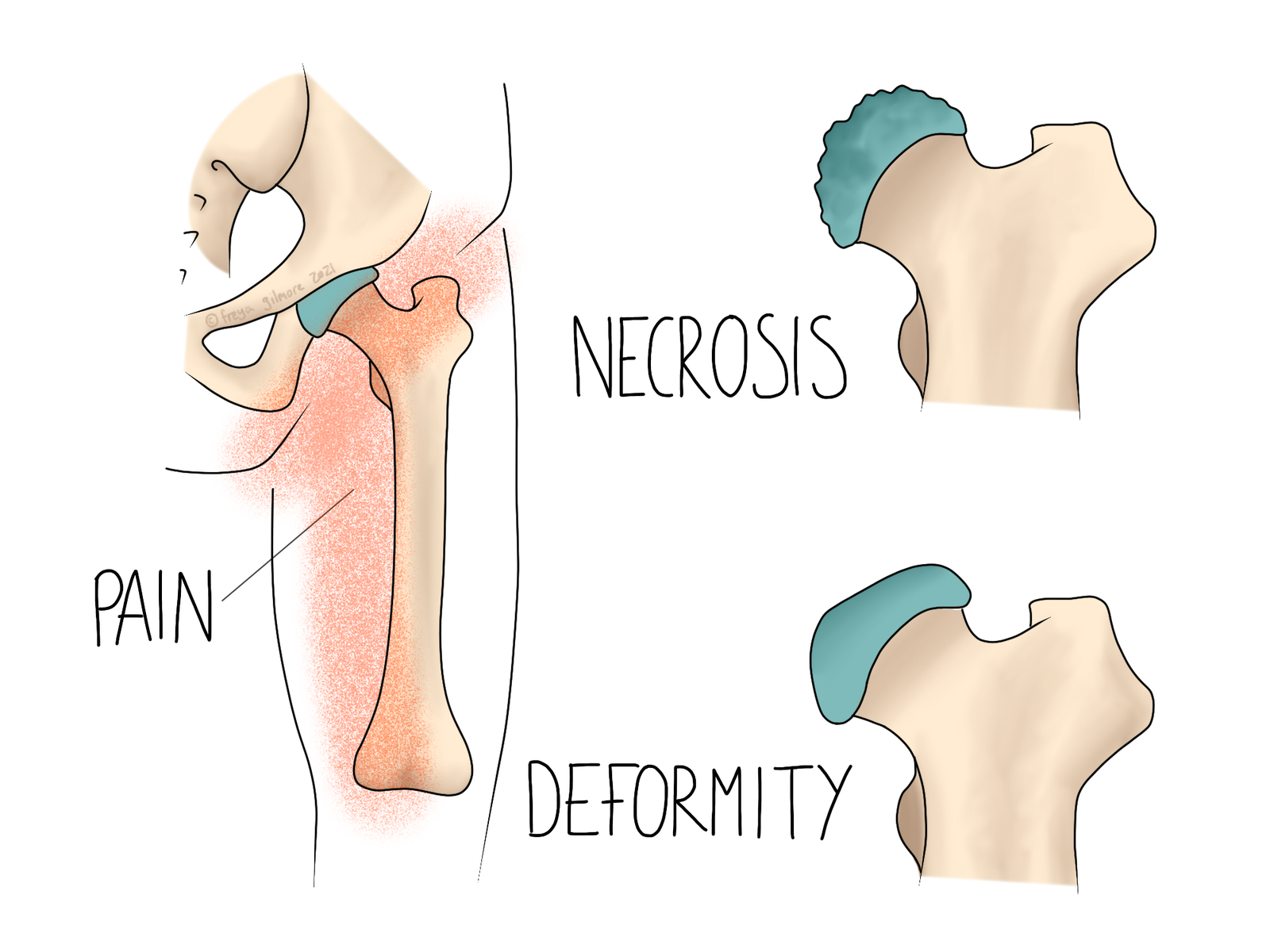
Some players also develop irritation within the hip joint itself, including labral injuries or impingement syndromes. These problems may initially feel like simple muscle tightness before progressing into more persistent pain and stiffness.
Overuse Injuries
Not all football injuries happen suddenly. Shin splints, patellar tendon pain, Achilles irritation, and lower back pain often build gradually when training load exceeds the body’s ability to recover.
This is particularly common during periods of fixture congestion, preseason, or rapid increases in intensity.
Osteopathy for Football Injuries
Ravi takes a mechanical and evidence-based approach to football injuries. Assessment focuses not only on the painful structure itself, but on why the area became overloaded in the first place.
Restricted ankle mobility, hip stiffness, thoracic dysfunction, or poor load transfer through the body can all contribute to repeated injury patterns. It is also common for compensation from one injury to create secondary issues elsewhere.
The goal is not simply to reduce pain, but to restore efficient movement and reduce the risk of recurrence.
Football injuries are frustrating, particularly when they interrupt training and fitness. Early management often leads to better outcomes and a quicker return to the pitch.
Make an appointment here to assess your football injury and support your recovery.
Related Posts