Piriformis syndrome is a common cause of deep buttock pain and can sometimes produce symptoms…
Perthes Disease
It’s not unusual for children to complain of aches and pains, especially if they’re active or play lots of sport. Most of the time, these pains settle with a little rest. But sometimes, persistent hip or knee pain can point towards a condition that needs further investigation. One example is Osgood Schlatter’s, another is Perthes disease.
Although relatively uncommon, Perthes disease is something osteopaths are trained to recognise. Early diagnosis is important, as appropriate medical management can help protect the developing hip joint.
What Is Perthes Disease?
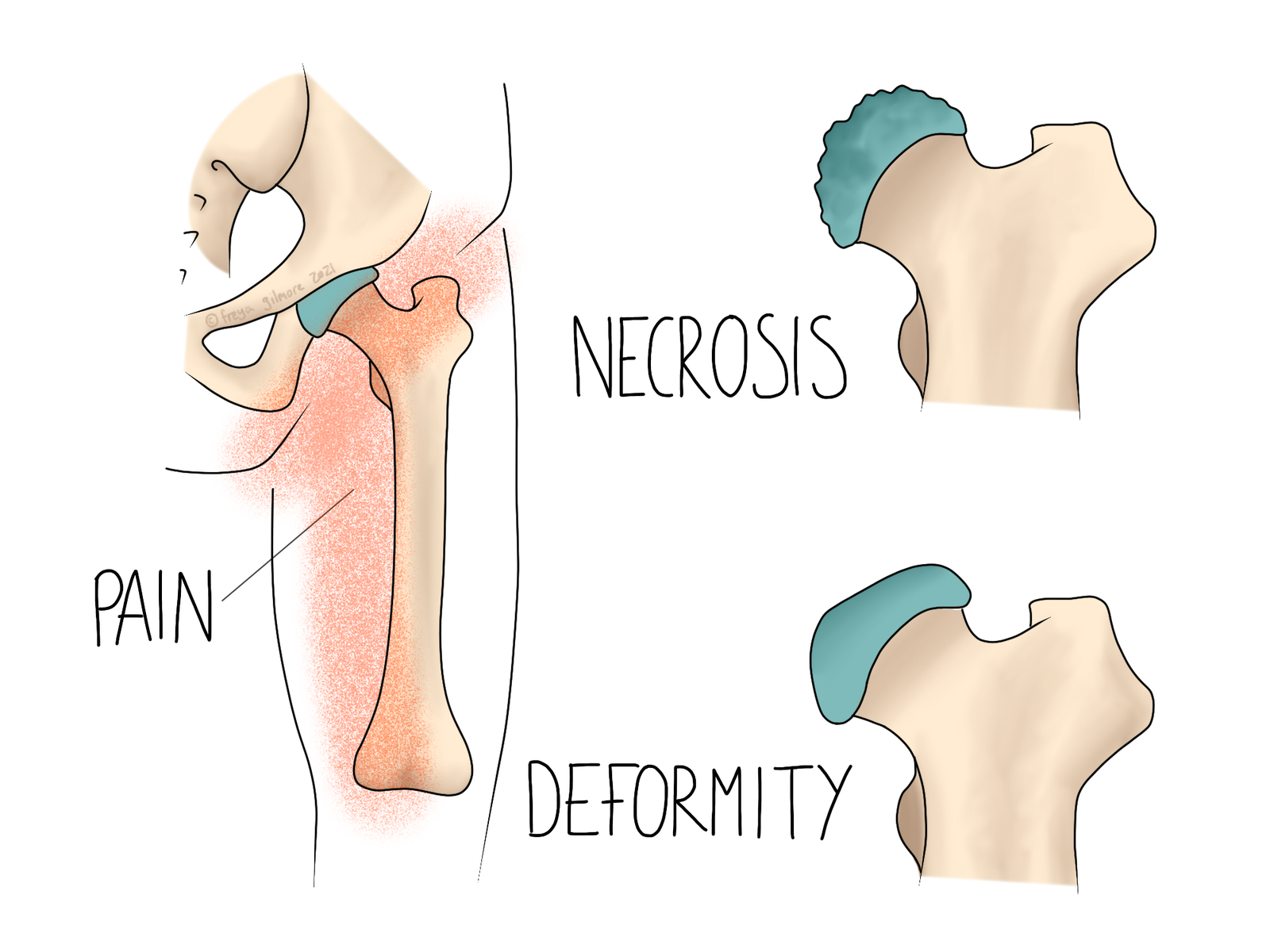
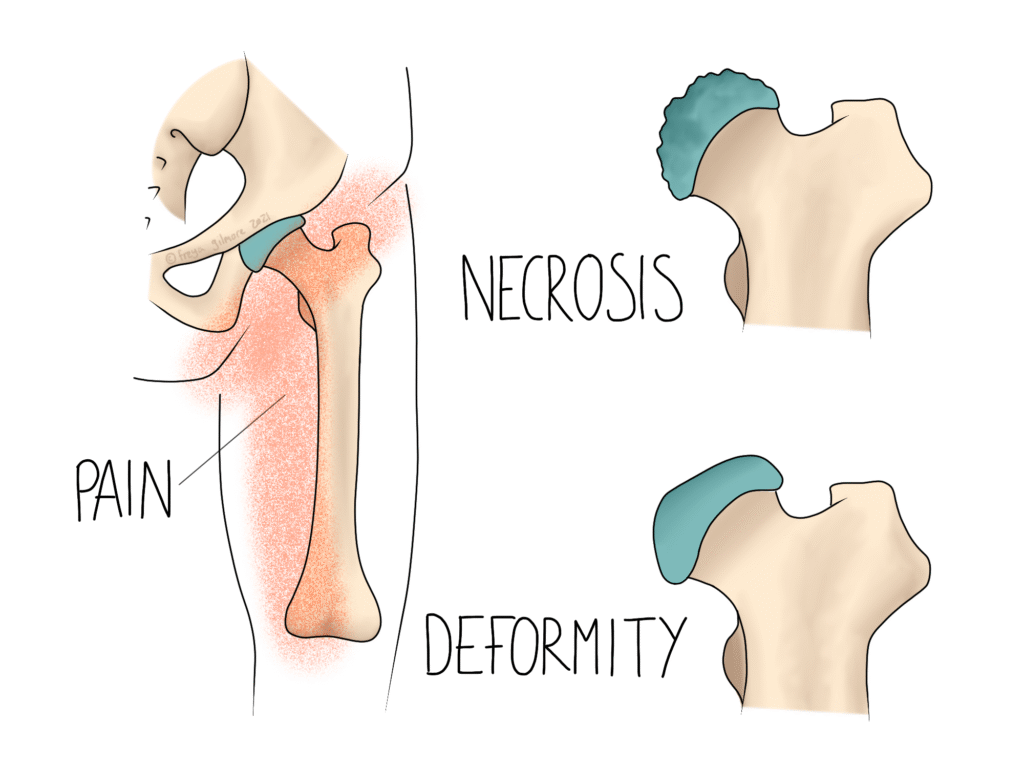
Perthes disease (also called Legg-Calvé-Perthes disease) is a childhood condition in which the blood supply to the ball of the hip joint (the femoral head) is disrupted. Without its normal blood supply, part of the bone becomes weaker and begins to break down.
Fortunately, children have an excellent ability to heal, and over time the blood supply returns. New bone is then laid down, but the shape of the femoral head can be affected depending on how much it has collapsed during the healing process.
Perthes disease most commonly affects children between the ages of 4 and 10, and is considerably more common in boys than girls. In around 10-15% of cases, both hips are affected, although usually not at the same time.
Symptoms of Perthes Disease
One of the reasons Perthes disease can be difficult to spot is that symptoms often develop gradually. Children towards the younger end of the window may also struggle to communicate their symptoms. Patients may complain of hip, groin, thigh, or knee pain. Otherwise, the signs may give a clearer picture than the symptoms. An unpredictable limp, hip stiffness and reduced movement are common features. Activity may make things worse for a short while- this is a key pattern to look for.
Interestingly, many children complain of knee pain, despite the blood supply issue remaining isolated to the hip. This is referred pain, where the brain misinterprets the source of the pain. This is not a sign of a more systemic problem, just another pattern that might affect the child.
Without a mechanism of injury, parents may assume the symptoms are simply growing pains or a minor sports injury. If a limp persists or repeatedly returns, it is always worth having it assessed.
Diagnosis and Treatment
Diagnosis usually involves a clinical examination alongside imaging such as X-rays or MRI scans. If your osteopath suspects Perthes Disease, they can direct you back to the GP with information to help you get directed to the right place.
Treatment depends on the child’s age and the severity of the disease. Some children just need monitoring and altered activity. More severe cases might warrant physical therapies, the use of crutches to take weight off the joint, or surgery. Avoiding excessive impact during the active phase of the disease is often recommended, although complete rest is typically more harmful than helpful. Instead, children are usually encouraged to remain active with low-impact exercise, like swimming, where advised.
How Osteopathy Can Help
One of Ravi’s most important roles is recognising when symptoms suggest something more significant than a simple sporting injury or muscle strain. If your child’s history and examination show signs of Perthes disease, Ravi will recommend prompt referral to your GP or an appropriate specialist for further investigation.
Osteopathy is well placed to support the patient through the compensatory patterns that develop during the active phase, and in rehabilitation.
We naturally adapt the way we walk when a joint becomes painful. Limping changes the forces travelling through the pelvis, spine, knees, and ankles. Over time, these compensations can lead to secondary aches and pains, even though the original problem is being managed appropriately. As recovery progresses, rehabilitation becomes increasingly important. Restoring strength, movement, balance, and confidence can help children return to sport safely while minimising long-term compensatory patterns.
Click here to make an appointment for your child’s pain in Camberley
Related Posts