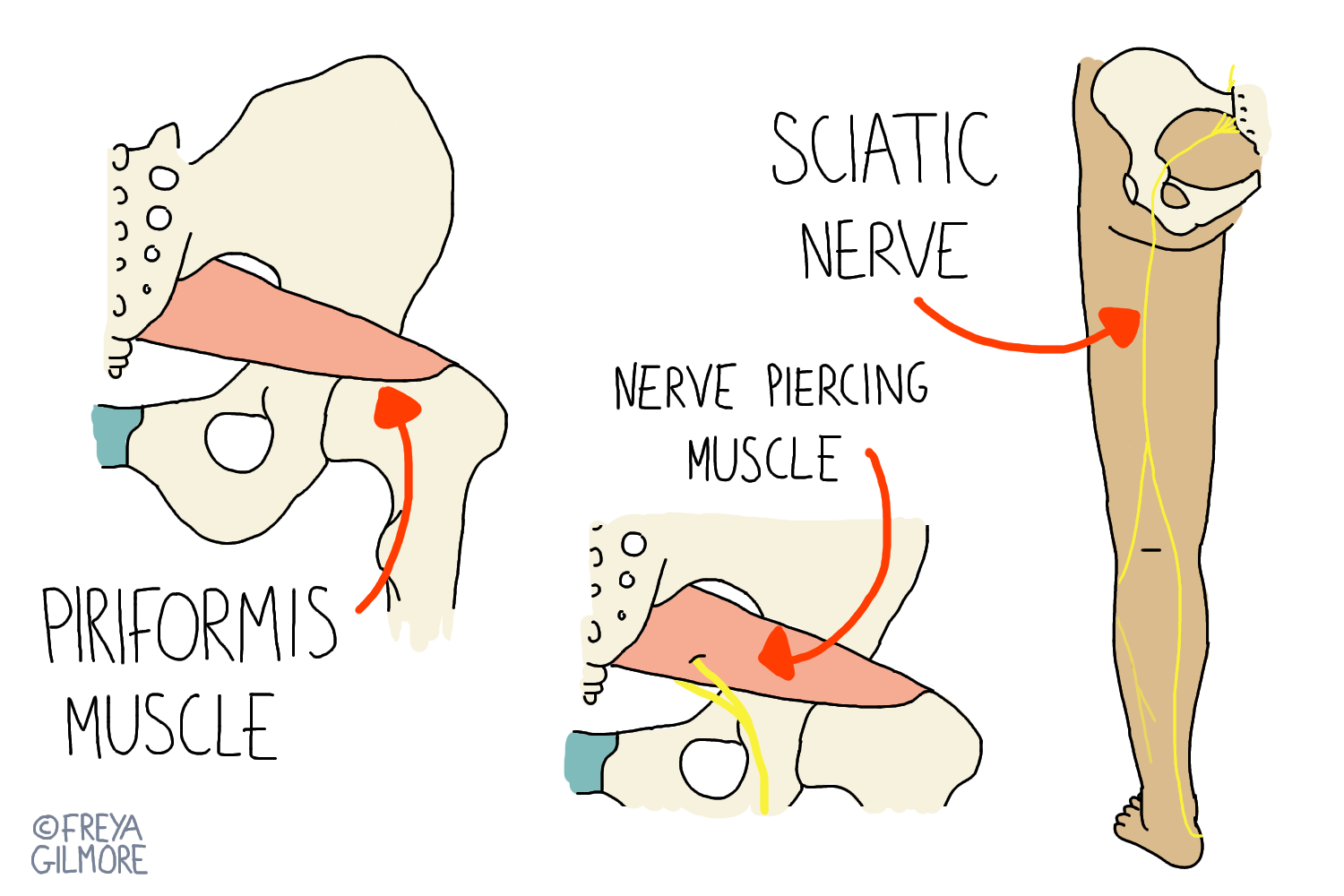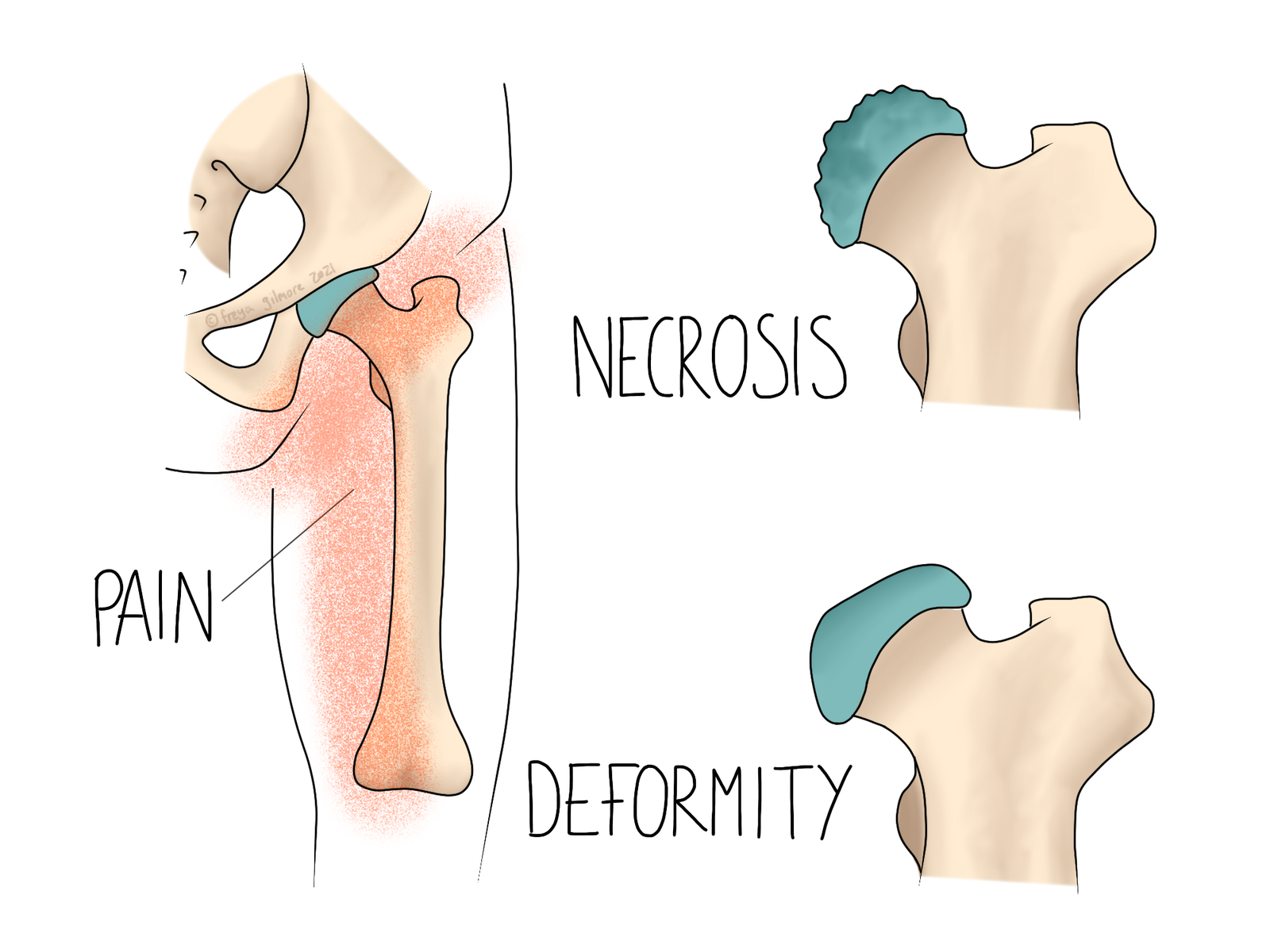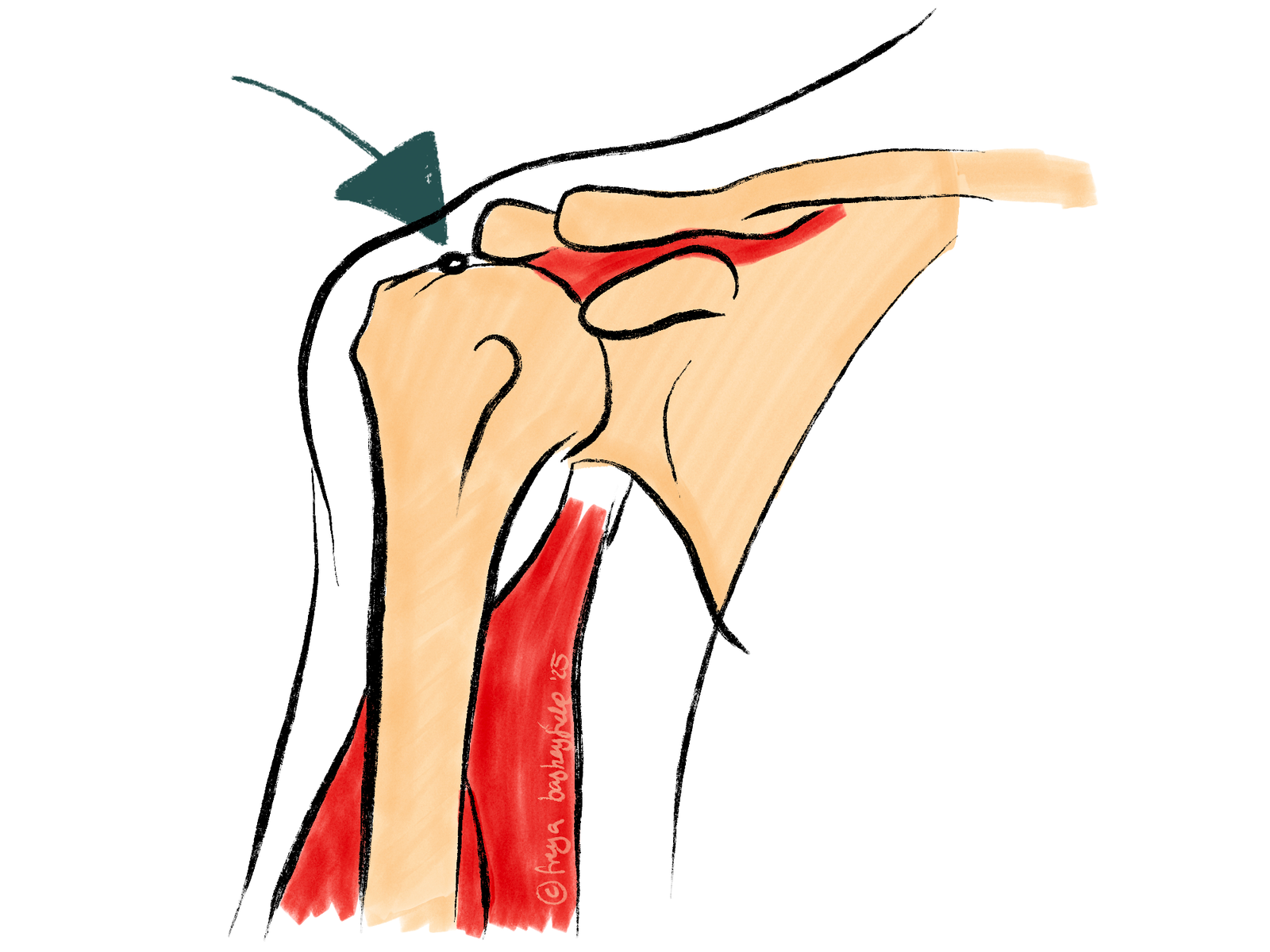
Piriformis syndrome is a common cause of deep buttock pain and can sometimes produce symptoms…
Colicky Babies
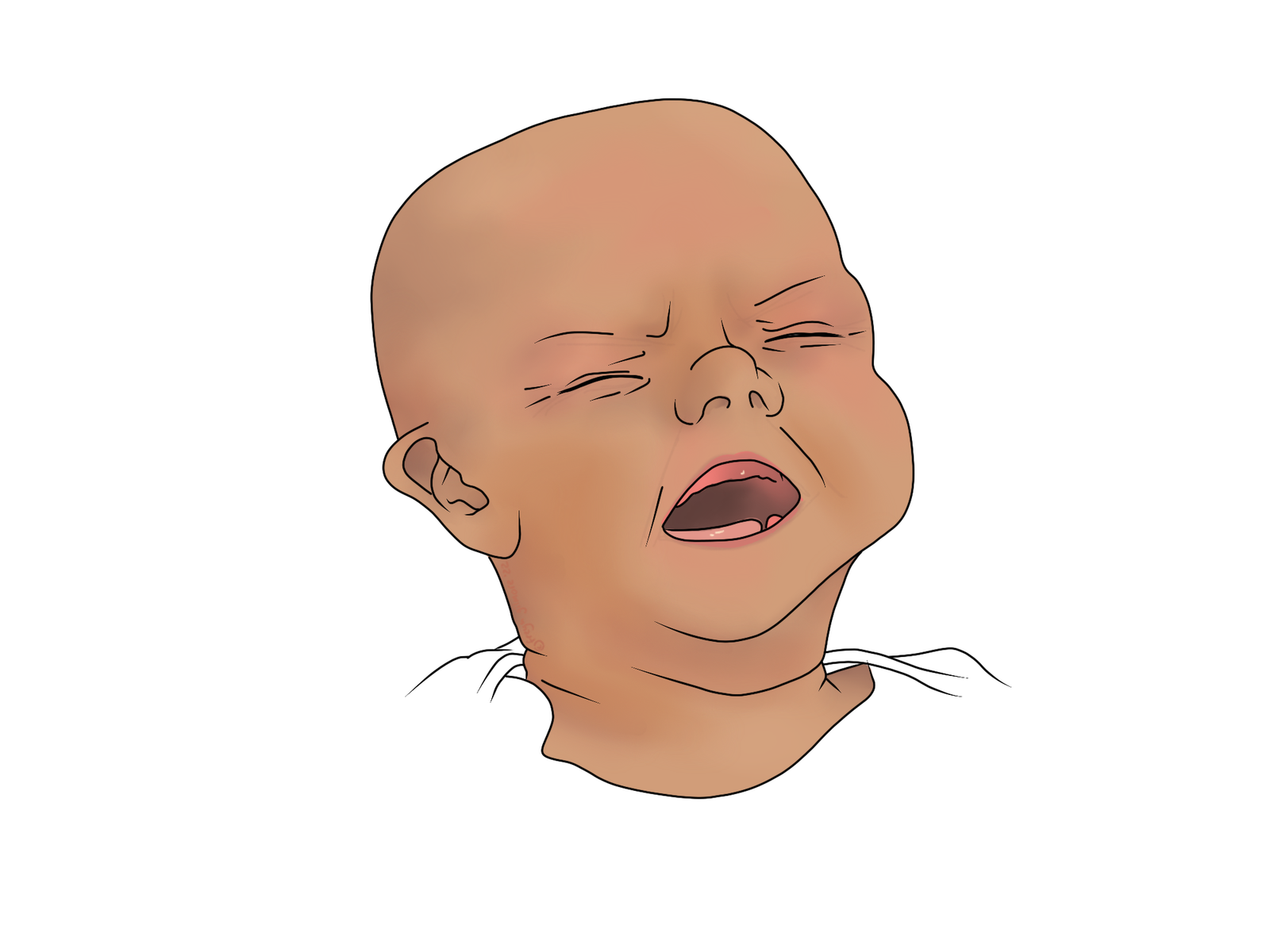
Few things are more difficult for parents than listening to a baby cry and not knowing how to help. So much so that information is given pre and postnatally specifically about managing it. Colic is a term that is often used when a baby cries for long periods without an obvious explanation, but it is important to understand that colic is not a diagnosis in itself. It is a description of a pattern of symptoms.
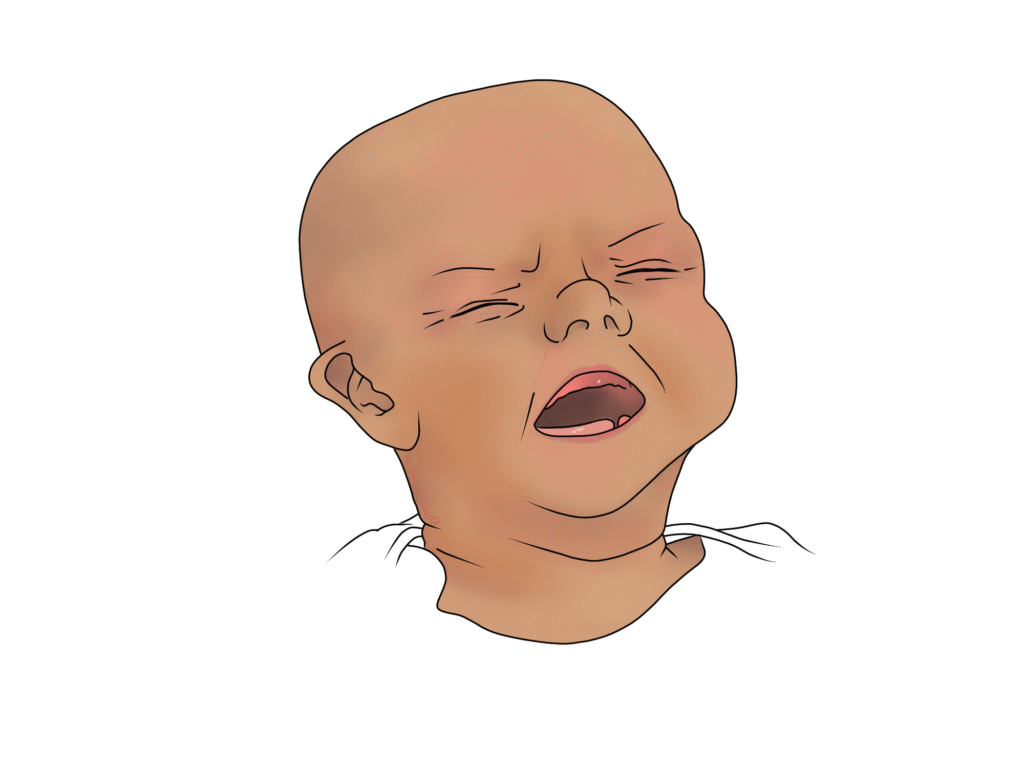
This means that there isn’t one treatment for colic. Each baby needs to be considered individually. We work to understand what might be contributing to their discomfort, while making sure that more significant causes have been ruled out.
What Is Colic?
Colic is generally used to describe excessive crying in an otherwise healthy baby under 6 months old. Officially, it refers to crying that lasts for at least 3 hours a day, at least 3 days a week, for at least a week. This tends to peak in the afternoon or evening.
You might notice your baby pulling up their legs, clenching their fists, and turning red. Wind and digestive discomfort are often blamed, but there are many possible reasons why a baby might cry. Some babies may simply have a more sensitive temperament or difficulty settling, while others may have symptoms associated with feeding, reflux, constipation, or other digestive problems.
Digestion & Tension
The digestive system is still developing during early infancy. Babies are also learning how to coordinate feeding, swallowing, breathing, and digestion. Gas and changes in bowel movements can therefore contribute to discomfort. The parachute shaped diaphragm muscle has an important anatomical relationship with the oesophagus. It surrounds the point where the oesophagus passes through the diaphragm and contributes to the mechanism that helps prevent stomach contents travelling upwards. These are all considerations when assessing your baby.
Babies spend a surprising amount of time curled up. Feeding positions, sleeping positions, and being carried might all encourage the same muscles to stretch and the same to contract. This might be especially relevant in babies who, for whatever reason, particularly dislike tummy time or being put down. Tension through the muscles around the abdomen, ribs, neck, or diaphragm may contribute to a baby’s discomfort.
Can Osteopathy Treat Colic?
It is important to be clear that we do not claim to treat colic.
What osteopaths can do is assess the baby as an individual, and consider whether there are musculoskeletal factors that might be contributing to their signs and symptoms. This might include looking at movement through the spine and ribs, muscle tension, feeding position, and the way the baby is using their body.
If we identify something that can safely be addressed, gentle techniques may be appropriate. If the symptoms suggest that another cause needs investigating, we will recommend that you speak to your GP, health visitor, paediatrician, or other appropriate healthcare professional. Osteopaths take a detailed case history, and for babies we often look back at what happened during birth and pregnancy. With a very broad picture of the case, we are well placed to flag signs and symptoms that might not seem significant on their own. However, if you’re concerned about more sudden symptoms, don’t hesitate to contact your GP or appropriate medical professional. And if the crying is affecting your ability to parent, reach out to someone for help.
Click here to make an appointment for your baby in Camberley
Related Posts