Piriformis syndrome is a common cause of deep buttock pain and can sometimes produce symptoms…
Baby Milestones: Rolling, Sitting, Crawling and Walking
Watching your baby reach their first milestones is exciting, but it can also bring questions. Why is one baby already rolling while another seems perfectly happy lying on their back? When should babies sit independently, crawl or start walking?

Development happens at different rates, and milestone ages are guides rather than deadlines. Understanding the usual sequence can help parents support their baby’s progress without feeling that every stage must happen on a particular date.
When do babies reach their milestones?
Although every baby is different, these are broad developmental windows:
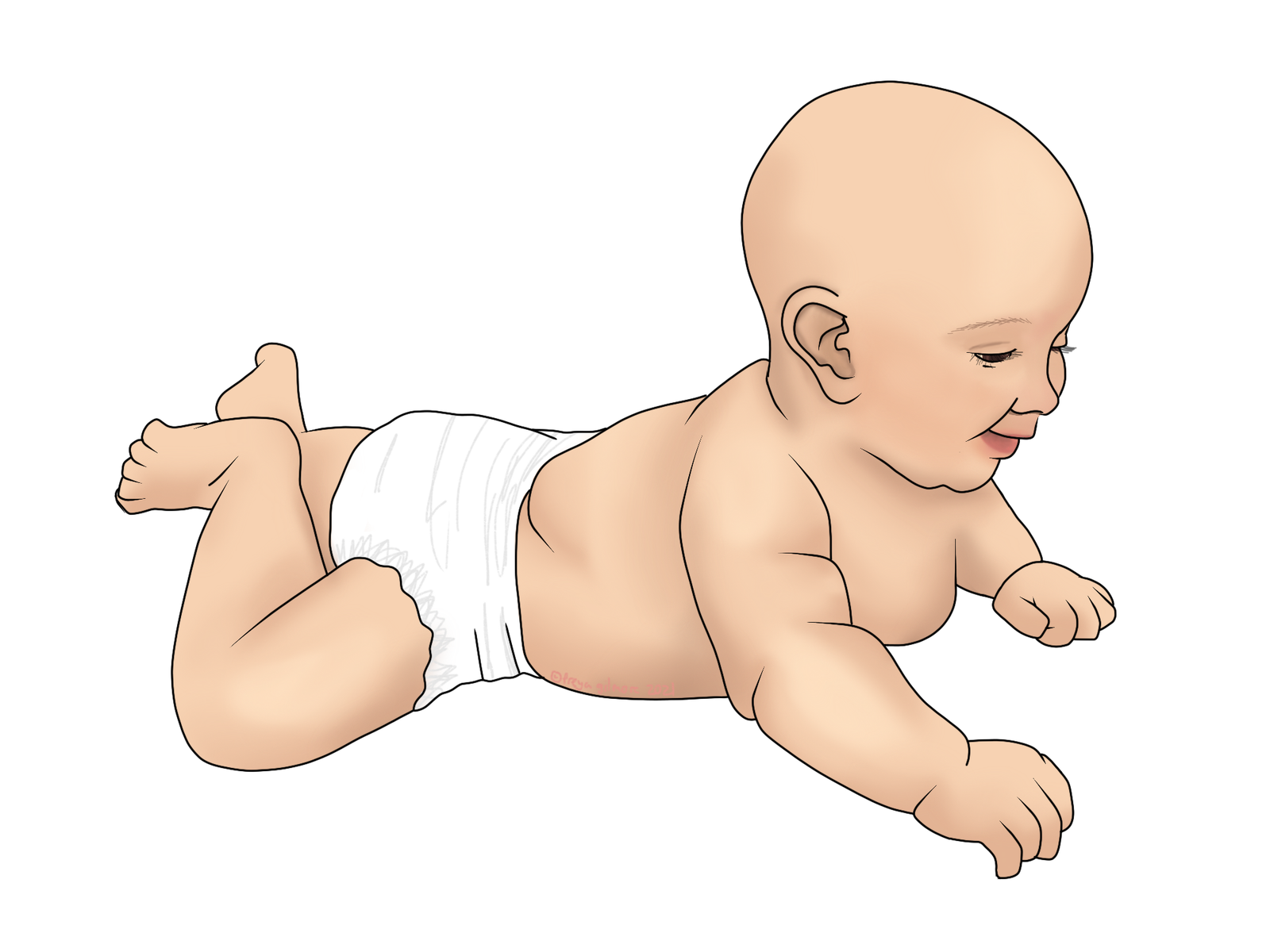
- Rolling over: Many babies begin rolling between four and six months, although some start earlier or later.
- Sitting: Babies typically develop the ability to sit with support before progressing to sitting independently, often around six to nine months.
- Crawling: Many babies begin moving around on their hands and knees between seven and ten months. However, some bottom-shuffle, move in other ways or skip traditional crawling altogether.
- Pulling to stand: This often develops around nine to twelve months as babies build strength, balance and confidence.
- Walking: Many babies take their first independent steps between nine and eighteen months, with considerable variation in when they become confident walkers.
These ranges are approximate, not pass-or-fail tests. If you’re concerned about your baby’s milestones, speak to your health visiting team. Babies born prematurely are generally assessed using their corrected age during early development.
What influences development?
Milestones depend on several interacting factors, including muscle strength, balance, coordination, vision, motivation and opportunities to practise movement.
Babies gradually develop control over their heads and trunks before progressing towards more complex movements. Tummy time while awake and supervised, opportunities to play on the floor and space to explore can help them practise these emerging skills.
Sometimes, parents notice that their baby consistently turns their head to one side, seems more comfortable looking in one direction or finds certain positions difficult. These signs may indicate torticollis, where neck muscle tightness or other factors restrict head movement. An associated preference for one side can affect how a baby practises rolling, reaches for toys or develops symmetrical movement.
How can osteopathy help?
Ravi can assess musculoskeletal factors such as neck movement, positional preferences and differences in how a baby moves. Where appropriate, gentle treatment may help address musculoskeletal restrictions, alongside practical advice for parents on positioning, handling and play.
However, not every delay is caused by muscular tension, and osteopathy cannot treat every underlying developmental or neurological condition. If a milestone is delayed, a baby loses a skill they previously had, or parents notice persistent asymmetry or difficulty moving, it is important to seek advice from a GP or health visitor. They can assess development and arrange referral to a paediatric physiotherapist or other specialist when needed.
Supporting your baby’s progress
There is no need to rush a baby through their milestones. Offer safe opportunities to move, play and explore, and remember that progress is rarely perfectly linear.
If you have concerns about your baby’s movement, head preference or physical development, Ravi can discuss the musculoskeletal aspects of their presentation and help you understand what support may be appropriate.
Related Posts